Clothing Fashion: A Complete Guide to Style, Trends, Wardrobes, and Smart Shopping
Clothing fashion is more than simply following the latest trends. The clothes people wear can reflect personal style, culture, lifestyle, profession, mood, and even the season. From everyday casual outfits to formal wear, streetwear, activewear, traditional clothing, and luxury fashion, the clothing industry offers an enormous variety of choices for consumers.
Fashion trends constantly change, but good clothing choices do not always require replacing an entire wardrobe whenever a new trend appears. Building a practical wardrobe involves understanding fit, fabric, colors, versatility, quality, and personal preferences.
For shoppers, the challenge is often finding clothing that looks good while also providing comfort, durability, and value. Understanding the basics of clothing fashion can make it easier to create outfits, shop more intentionally, and avoid spending money on pieces that rarely get worn.
What Is Clothing Fashion?
Clothing fashion refers to the styles, designs, materials, colors, and ways of wearing garments that are popular or meaningful within a particular culture or period.
It includes a wide range of clothing categories, such as:
- Casual wear
- Formal wear
- Business clothing
- Streetwear
- Sportswear
- Activewear
- Traditional clothing
- Seasonal fashion
- Luxury fashion
- Sustainable clothing
- Accessories
Fashion can be influenced by designers, celebrities, social media, music, entertainment, cultural traditions, economic conditions, and changing consumer preferences.
However, fashion does not have to mean wearing whatever is currently trending. Personal style is often about choosing pieces that fit your lifestyle and make you feel comfortable and confident.
Understanding Personal Style
Before building a wardrobe, it helps to understand your personal style.
Some people prefer minimalist clothing with neutral colors and simple silhouettes. Others enjoy bright colors, patterns, oversized garments, vintage-inspired pieces, or statement accessories.
Personal style can generally be influenced by:
- Lifestyle
- Workplace
- Climate
- Age
- Comfort preferences
- Cultural background
- Favorite colors
- Body proportions
- Budget
- Social activities
There is no single correct fashion style.
The goal is to create a wardrobe that works for your actual life rather than purchasing clothing simply because it looks good on someone else.
The Importance of Fit
Fit is one of the most important elements of clothing fashion.
Even an expensive garment can look less appealing if it does not fit correctly. On the other hand, a reasonably priced piece can look polished when it has a good fit.
When shopping for clothing, consider:
- Shoulder position
- Sleeve length
- Waist placement
- Trouser length
- Overall garment width
- Comfort while moving
- Intended silhouette
Different fashion styles intentionally use different fits. Oversized clothing, for example, is designed to have a relaxed silhouette, while tailored clothing generally follows the body's shape more closely.
The key is intentionality. Clothing should look like it was chosen that way rather than simply being the wrong size.
Choosing the Right Fabrics
Fabric can significantly affect the comfort, appearance, durability, and maintenance requirements of clothing.
Common fabrics include:
Cotton: Popular for everyday clothing because it is generally comfortable and breathable.
Linen: Often associated with warm-weather clothing because of its lightweight and breathable characteristics.
Wool: Frequently used for sweaters, coats, and winter garments because it provides warmth.
Silk: Known for its smooth texture and elegant appearance, although it may require more careful care.
Polyester: Widely used because it can be durable, versatile, and relatively easy to maintain.
Denim: Commonly used for jeans and jackets because of its durable structure.
Blends: Combining different fibers can provide a balance of comfort, durability, stretch, and ease of care.
Fabric choice should match the season, activity, climate, and garment purpose.
Seasonal Clothing Fashion
Fashion changes naturally with the seasons.
Spring Fashion
Spring often encourages lighter layers, fresh colors, lightweight jackets, shirts, dresses, trousers, and transitional clothing.
Layering is particularly useful because temperatures can change throughout the day.
Summer Fashion
Summer clothing generally focuses on comfort and breathability.
Cotton, linen, lightweight blends, loose-fitting shirts, dresses, shorts, skirts, and breathable trousers can be useful in hot weather.
Lightweight clothing can also make it easier to remain comfortable during outdoor activities.
Autumn Fashion
Autumn is ideal for layering.
Sweaters, cardigans, jackets, long-sleeve shirts, trousers, boots, and lightweight coats can create flexible outfits for changing temperatures.
Winter Fashion
Winter wardrobes often prioritize warmth and protection.
Coats, wool sweaters, insulated jackets, scarves, gloves, boots, and thermal layers can all play a role.
Rather than relying on one extremely heavy garment, layering can provide greater flexibility in changing indoor and outdoor temperatures.
Building a Versatile Wardrobe
A versatile wardrobe does not need to contain hundreds of items.
Instead, focus on pieces that can be combined in multiple ways.
Useful wardrobe basics may include:
- Neutral T-shirts
- Well-fitting jeans
- Casual trousers
- Button-down shirts
- Sweaters
- A versatile jacket
- Comfortable footwear
- Simple dresses or skirts
- Formal clothing where needed
- Everyday accessories
Neutral colors such as black, white, navy, beige, gray, and brown can make mixing and matching easier.
Statement pieces can then add personality without requiring an entirely different wardrobe.
Casual Fashion
Casual clothing is designed for everyday activities and generally prioritizes comfort and practicality.
Common casual pieces include T-shirts, jeans, hoodies, sweaters, casual shirts, sneakers, relaxed trousers, and simple dresses.
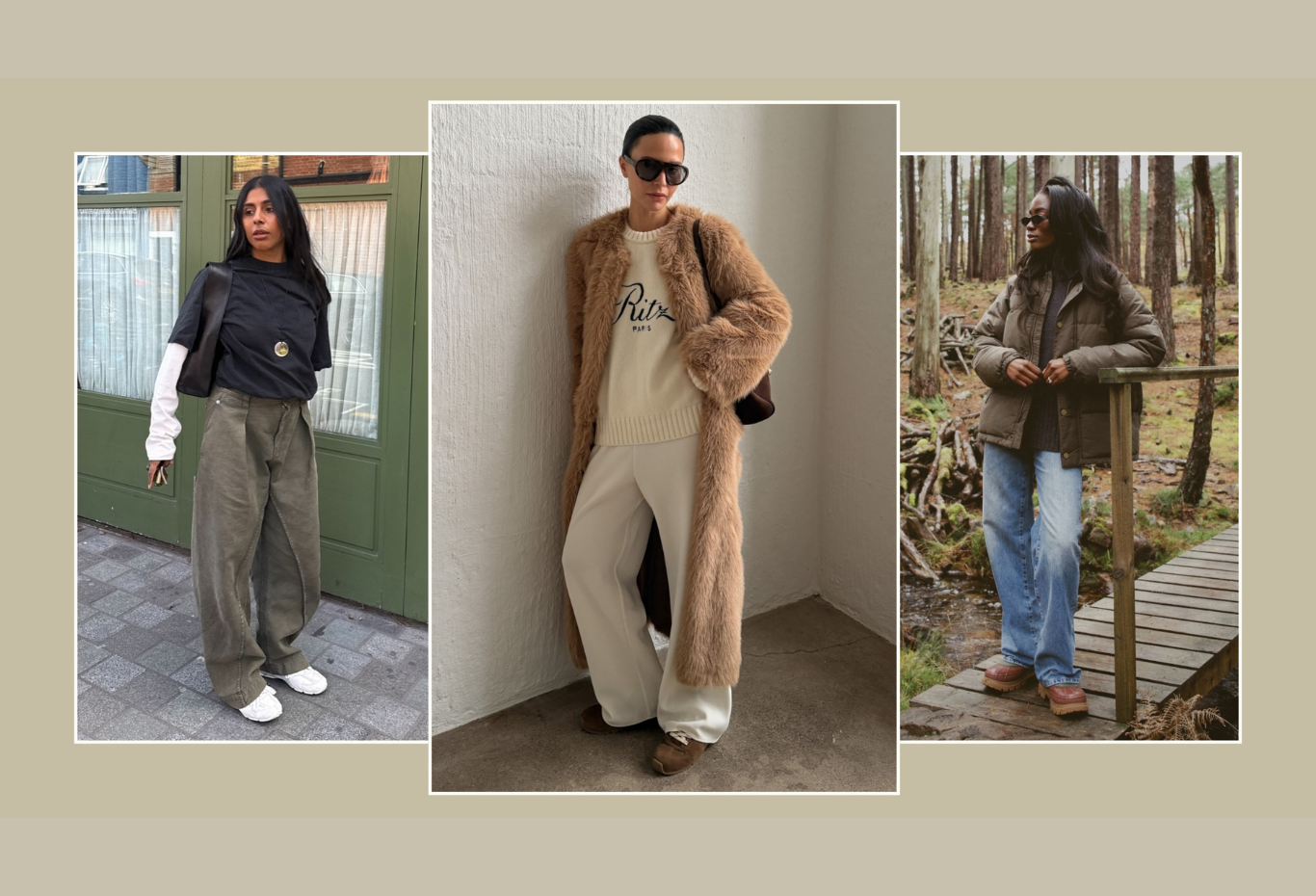
Casual fashion has also become increasingly diverse. Streetwear, minimalist fashion, athleisure, vintage-inspired clothing, and contemporary basics can all fall within casual wardrobes.
The key is balancing comfort with an intentional appearance.
For example, a simple outfit can look more polished when the clothing fits well and colors work together.
Formal and Business Fashion
Formal and professional clothing generally requires greater attention to fit, fabric, color, and overall presentation.
Depending on the environment, professional clothing may include:
- Suits
- Blazers
- Dress shirts
- Tailored trousers
- Formal dresses
- Skirts
- Professional shoes
- Structured outerwear
Workplace expectations vary considerably. A creative office may allow casual or fashion-forward clothing, while corporate environments may require more traditional professional wear.
The best approach is to understand the expectations of the environment and adapt your wardrobe accordingly.
Streetwear and Modern Fashion
Streetwear has become an influential part of modern clothing fashion.
It often combines casual clothing with distinctive graphics, oversized silhouettes, sneakers, jackets, hoodies, cargo trousers, and accessories.
Social media has accelerated the spread of streetwear trends, allowing styles from different cities and cultures to influence one another quickly.
However, trends can change rapidly. Instead of purchasing every viral item, consumers can select elements that complement their existing wardrobe.
Sustainable Clothing Fashion
Sustainability has become an increasingly important discussion within the fashion industry.
The production, transportation, use, and disposal of clothing can have environmental consequences. Fast fashion has made inexpensive and frequently changing clothing widely accessible, but rapid consumption can also contribute to waste.
Consumers interested in more sustainable fashion can consider:
- Buying fewer but more versatile pieces
- Choosing durable clothing
- Repairing damaged garments
- Purchasing secondhand clothing
- Donating usable items
- Reusing or repurposing older garments
- Selecting quality fabrics
- Avoiding unnecessary impulse purchases
Sustainable fashion does not require every item in a wardrobe to be premium-priced or labeled "eco-friendly." More thoughtful consumption can be a practical starting point.
Clothing Quality vs. Price
Price is not always an accurate indicator of clothing quality.
A higher-priced garment may use better materials and construction, but expensive branding can also contribute significantly to the price.
When evaluating clothing, look at:
- Fabric composition
- Stitching quality
- Seams
- Buttons and zippers
- Lining
- Finishing
- Shape retention
- Washing instructions
A well-made basic garment may provide more long-term value than a trendy item that quickly loses its shape or becomes difficult to wear.
Fashion Accessories
Accessories can significantly change the appearance of an outfit without requiring a complete wardrobe change.
Popular accessories include:
- Handbags
- Belts
- Watches
- Sunglasses
- Scarves
- Jewelry
- Hats
- Caps
- Wallets
- Hair accessories
Accessories are also an affordable way to experiment with trends.
For example, a classic neutral outfit can take on a different appearance through a colorful handbag, statement jewelry, or contemporary footwear.
How to Shop for Clothing More Effectively
Smart clothing shopping starts with planning.
Before purchasing something, ask whether it works with clothing you already own.
Consider:
- Where you will wear it
- How often you expect to wear it
- Whether it fits properly
- Whether the color works with your wardrobe
- Whether it requires special care
- Whether the quality matches the price
- Whether you already own something similar
A useful rule is to avoid buying an item simply because it is discounted.
A large discount is not a saving if the clothing remains unused in your closet.
Online Clothing Shopping
Online fashion shopping provides convenience and access to a much wider range of products.
However, shoppers cannot physically examine the fabric or try on the garment before purchasing.
Before ordering clothing online, check:
- Size chart
- Garment measurements
- Fabric composition
- Product photographs
- Customer reviews
- Return policy
- Shipping information
- Care instructions
Size labels can vary between brands, so relying solely on "small," "medium," or "large" may not be enough.
Comparing your own measurements with the retailer's size chart can provide a more reliable starting point.
Clothing Care and Maintenance
Taking care of clothing can extend its usable life.
Always follow the care instructions provided by the manufacturer.
Depending on the garment, proper care may include:
- Washing at the recommended temperature
- Avoiding excessive detergent
- Air drying when appropriate
- Ironing according to fabric requirements
- Storing delicate garments correctly
- Removing stains promptly
- Repairing loose buttons or small tears
Proper storage is also important. Fold knitwear and other garments that can stretch on hangers, while structured clothing may benefit from suitable hangers.
Fashion Trends and Timeless Style
Fashion trends can be fun, but not every trend deserves a permanent place in your wardrobe.
A practical strategy is to build a foundation of timeless clothing and add a few trend-focused pieces each season.
Classic items such as well-fitting trousers, simple shirts, denim, neutral sweaters, and versatile jackets can remain useful for years.
Trend-based pieces can then provide variety without requiring a complete wardrobe replacement.
This approach can also reduce clothing waste and unnecessary spending.
The Future of Clothing Fashion
The fashion industry continues to evolve through technology, changing consumer preferences, new materials, and digital shopping.
Online fashion platforms have transformed how consumers discover and purchase clothing. Social media has accelerated trend cycles, while virtual try-on tools and personalized recommendations may make online shopping more convenient.
At the same time, sustainability, resale markets, clothing rental, recycled materials, and longer-lasting designs are receiving greater attention.
Consumers are also increasingly interested in clothing that combines style with functionality. Performance fabrics, comfortable tailoring, versatile designs, and multifunctional garments are becoming increasingly common.
The future of fashion is therefore likely to combine personal expression with greater attention to practicality and responsible consumption.
Final Thoughts
Clothing fashion is ultimately about more than following trends. It is about finding garments that fit your lifestyle, preferences, budget, and environment.
A strong wardrobe starts with versatile basics, appropriate fits, useful fabrics, and colors that work together. From there, seasonal pieces, accessories, and current trends can add personality.
When shopping, consider quality, comfort, versatility, and long-term value rather than focusing only on price or brand popularity. Taking care of your clothing can also help garments last longer and reduce unnecessary replacement.
Whether you prefer minimalist outfits, traditional clothing, streetwear, formal fashion, or constantly changing trends, there is no single formula for great style. The best wardrobe is one that makes it easier to dress confidently while supporting the way you actually live.