Health: A Complete Guide to Building a Healthier Everyday Lifestyle
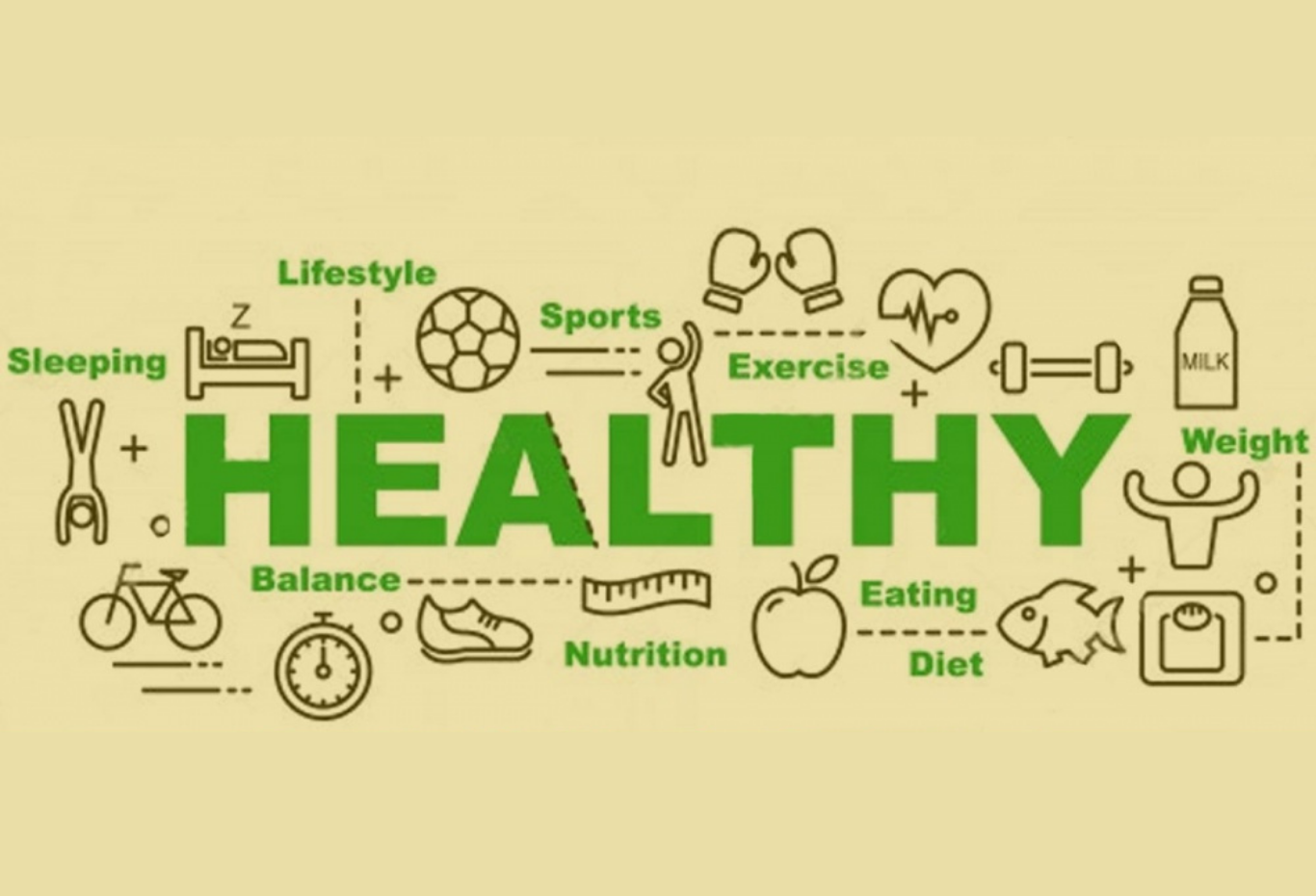
Health is one of the most important parts of a fulfilling life. It affects how people feel, work, sleep, move, think, and interact with others. While health is often associated with the absence of disease, it is much broader than that. Good health involves physical well-being, mental and emotional balance, healthy habits, preventive care, nutrition, physical activity, sleep, and the ability to manage everyday challenges.
Modern lifestyles can make healthy living difficult. Busy work schedules, processed foods, limited physical activity, stress, excessive screen time, and irregular sleep can all influence well-being. At the same time, people have access to more health information and wellness products than ever before.
The goal should not be to follow every health trend or make dramatic changes overnight. Sustainable health usually comes from small, consistent habits that fit naturally into everyday life.
What Does Health Mean?
Health can be understood as a combination of physical, mental, and social well-being.
Physical health involves areas such as fitness, nutrition, sleep, hygiene, and the proper functioning of the body. Mental and emotional health involve how people handle stress, emotions, relationships, and everyday challenges.
Health is also influenced by factors beyond individual habits. Access to nutritious food, healthcare, safe housing, clean environments, education, employment, and supportive relationships can all affect well-being.
For this reason, improving health is not simply about following a strict diet or exercising every day. It is about creating a lifestyle that supports the body and mind over the long term.
The Importance of a Balanced Diet
Nutrition plays an important role in overall health. The body needs a variety of nutrients to produce energy, support growth, maintain tissues, and perform normal functions.
A balanced eating pattern can include:
- Vegetables and fruits
- Whole grains
- Beans and other legumes
- Nuts and seeds
- Protein-rich foods
- Dairy or suitable alternatives
- Healthy sources of fats
- Adequate fluids
The ideal balance can vary depending on age, activity level, cultural eating habits, and individual health needs.
Instead of focusing only on individual "superfoods," it is generally more useful to consider the overall quality and variety of the diet. Eating a wide range of foods can help provide different nutrients.
Highly processed foods can still be part of many people's diets, but regularly relying on foods high in added sugars, sodium, or unhealthy fats may make it harder to maintain a balanced eating pattern.
Staying Physically Active
Regular physical activity is another important part of a healthy lifestyle.
Exercise can support cardiovascular health, muscle strength, mobility, balance, and overall fitness. It can also contribute to mental well-being and help people maintain independence as they age.
Physical activity does not have to mean spending hours in a gym.
Useful activities can include:
- Walking
- Cycling
- Swimming
- Dancing
- Running
- Strength training
- Stretching
- Recreational sports
- Active household tasks
People who are new to exercise can begin gradually and increase activity over time.
The best exercise routine is often the one that a person enjoys and can maintain consistently.
Strength and Mobility Matter
Cardiovascular exercise receives significant attention, but strength and mobility are also important.
Strength training can help maintain muscle mass and support everyday activities such as lifting, climbing stairs, carrying groceries, and getting up from a chair.
Mobility and flexibility exercises can help people move comfortably and maintain functional movement.
A balanced fitness routine can therefore include a combination of aerobic activity, strength work, mobility, and appropriate rest.
People with injuries, chronic conditions, or specific physical limitations should seek appropriate professional guidance before beginning a new exercise program.
The Importance of Sleep
Sleep is often overlooked when people discuss health.
Adequate, good-quality sleep supports physical recovery, concentration, mood, immune function, and daily performance.
Healthy sleep habits can include maintaining a relatively consistent sleep schedule, creating a comfortable sleeping environment, limiting stimulating activities close to bedtime, and reducing unnecessary screen exposure before sleep.
Caffeine timing can also matter for some people.
Occasional poor sleep is common, but persistent sleep problems should not simply be ignored. People experiencing ongoing difficulty sleeping or significant daytime fatigue may benefit from discussing the issue with a qualified healthcare professional.
Managing Stress
Stress is a normal part of life, but ongoing or excessive stress can affect both mental and physical well-being.
Work responsibilities, financial concerns, relationships, family responsibilities, and major life changes can all contribute to stress.
Healthy ways to manage everyday stress may include:
- Regular physical activity
- Adequate sleep
- Time outdoors
- Relaxation exercises
- Hobbies
- Social connections
- Organized routines
- Breaks from screens
- Mindfulness or breathing exercises
There is no single stress-management technique that works for everyone.
The important point is to recognize persistent stress rather than treating it as something that must simply be endured.
Mental and Emotional Health
Mental health is an essential part of overall health.
Emotional well-being can affect relationships, productivity, motivation, decision-making, and quality of life.
People may experience periods of sadness, anxiety, frustration, loneliness, or emotional exhaustion. These experiences can be part of normal life, but persistent or severe symptoms may require professional support.
Maintaining relationships can also be valuable. Talking with trusted friends, family members, counselors, or other supportive people can help reduce isolation.
Seeking professional mental health support should be viewed as a form of healthcare rather than a personal failure.
Preventive Healthcare
Preventive healthcare focuses on reducing health risks and identifying potential problems before they become more serious.
Depending on age, sex, family history, lifestyle, and other factors, preventive care may include routine medical visits, recommended screenings, vaccinations, dental care, vision checks, and other assessments.
The appropriate schedule varies between individuals and countries.
People should discuss preventive care with qualified healthcare professionals rather than relying solely on generalized online recommendations.
Early detection can be important for many conditions because some health problems may not cause noticeable symptoms during their early stages.
Hydration and Healthy Beverages
Water is essential for normal body functions.
Fluid needs vary depending on factors such as climate, physical activity, body size, diet, and health conditions.
Water is often a practical everyday beverage choice. Other drinks can also contribute to fluid intake, but beverages high in added sugar may provide significant calories without offering much nutritional value.
People who exercise heavily or spend long periods in hot environments may have different hydration needs.
Rather than following a single universal water target, paying attention to thirst, environmental conditions, activity levels, and professional guidance when appropriate can be more useful.
Maintaining a Healthy Weight
Body weight is influenced by many factors, including genetics, diet, physical activity, sleep, medications, health conditions, and environment.
Healthy weight management should focus on sustainable habits rather than extreme diets.
A balanced eating pattern, regular physical activity, adequate sleep, and realistic goals can support long-term health.
Rapid weight-loss programs and highly restrictive diets may be difficult to maintain and can create nutritional problems for some people.
Anyone considering significant dietary changes should consider their individual health needs and seek appropriate professional advice.
Hygiene and Everyday Health
Basic hygiene remains an important part of preventing illness.
Everyday habits can include regular handwashing, dental hygiene, bathing, clean clothing, food safety, and keeping living spaces reasonably clean.
Handwashing is particularly useful for reducing the spread of many infections.
Food should also be stored and prepared safely. Appropriate refrigeration, cooking, and food-handling practices can help reduce the risk of foodborne illness.
Simple habits can have a meaningful impact when practiced consistently.
Building Healthy Habits
Many people struggle with health goals because they try to change everything at once.
A more sustainable strategy is to focus on one or two habits at a time.
For example, someone could begin by:
- Adding a daily walk
- Improving breakfast choices
- Establishing a consistent bedtime
- Drinking more water
- Adding vegetables to regular meals
- Taking short movement breaks during work
Once a habit becomes routine, another improvement can be added.
Small changes may seem insignificant individually, but consistency can make them meaningful over time.
Health and Technology
Technology has created new ways to monitor and manage aspects of health.
Fitness trackers and smartwatches can record information such as activity levels, heart rate, sleep patterns, and exercise sessions. Health apps can help users track food, medication schedules, workouts, or appointments.
These tools can be useful for awareness and motivation, but their measurements are not always equivalent to medical testing.
Consumers should avoid treating a wearable device as a replacement for professional diagnosis.
Technology works best as a tool that supports healthy habits rather than something that determines whether a person is healthy.
Creating a Healthier Home Environment
Health is influenced by the environment in which people live.
A healthier home can include adequate ventilation, clean drinking water, safe food storage, appropriate lighting, comfortable sleeping conditions, and reduced exposure to unnecessary pollutants.
Indoor air quality can also matter. Regular ventilation, appropriate cleaning, and maintaining heating or cooling systems can contribute to a more comfortable environment.
For people with allergies or respiratory concerns, environmental factors may require additional attention and professional guidance.
Health on a Budget
A healthy lifestyle does not necessarily require expensive products, supplements, or memberships.
Walking is free in many environments. Home-based strength exercises can also be performed with little or no equipment.
Affordable healthy foods can include beans, lentils, eggs, seasonal vegetables, fruits, whole grains, and other basic ingredients.
Meal planning can reduce food waste and make it easier to avoid expensive last-minute meals.
The most important health habits often involve consistency rather than expensive wellness products.
Be Careful With Health Claims
The health and wellness market contains a large number of products promising rapid or dramatic results.
Consumers should be cautious about claims such as "instant detox," "guaranteed weight loss," "cure-all," or "clinically proven" when they are presented without meaningful supporting evidence.
Supplements can also interact with medications or create risks for certain people.
Before using a supplement or making a major change to treatment, it is sensible to discuss it with a qualified healthcare professional.
Reliable health information should generally come from reputable medical institutions, public health organizations, qualified professionals, and well-supported scientific evidence.
When Professional Healthcare Is Important
Lifestyle habits can support health, but they cannot replace medical care when medical care is needed.
People should seek appropriate professional attention for concerning, persistent, worsening, or unusual symptoms.
Emergency symptoms require urgent medical attention rather than online research or self-treatment.
Regular healthcare is also important for managing diagnosed conditions and monitoring risk factors.
The internet can provide general educational information, but individual diagnosis and treatment require appropriate professional evaluation.
The Future of Health and Wellness
Healthcare and wellness are increasingly influenced by technology, personalized medicine, remote healthcare services, wearable devices, health monitoring, and data-driven research.
Digital health tools may make it easier for people to track information and communicate with healthcare professionals.
At the same time, consumers will need to become better at distinguishing useful health information from misleading marketing.
The future of health is likely to combine medical advances with greater emphasis on prevention, personalized care, healthy lifestyles, and early identification of potential problems.
Final Thoughts
Health is not a single goal that can be achieved through one diet, exercise program, or product. It is an ongoing process influenced by physical activity, nutrition, sleep, mental well-being, preventive care, relationships, environment, and access to appropriate healthcare.
The most effective approach is usually practical and sustainable. Eat a varied diet, remain physically active, prioritize sleep, manage stress, maintain good hygiene, attend appropriate preventive appointments, and pay attention to changes in your health.
Avoid extreme health trends and unrealistic promises. Instead, focus on habits that can realistically become part of everyday life.
Small improvements, repeated consistently, can create a strong foundation for long-term well-being. When health concerns arise, professional medical advice should take priority over generalized online information.
A healthier lifestyle is not about achieving perfection. It is about making informed choices, taking care of your body and mind, and creating sustainable habits that support a better quality of life.