Household Expenses in 2026: A Complete Guide to Managing Your Home Budget
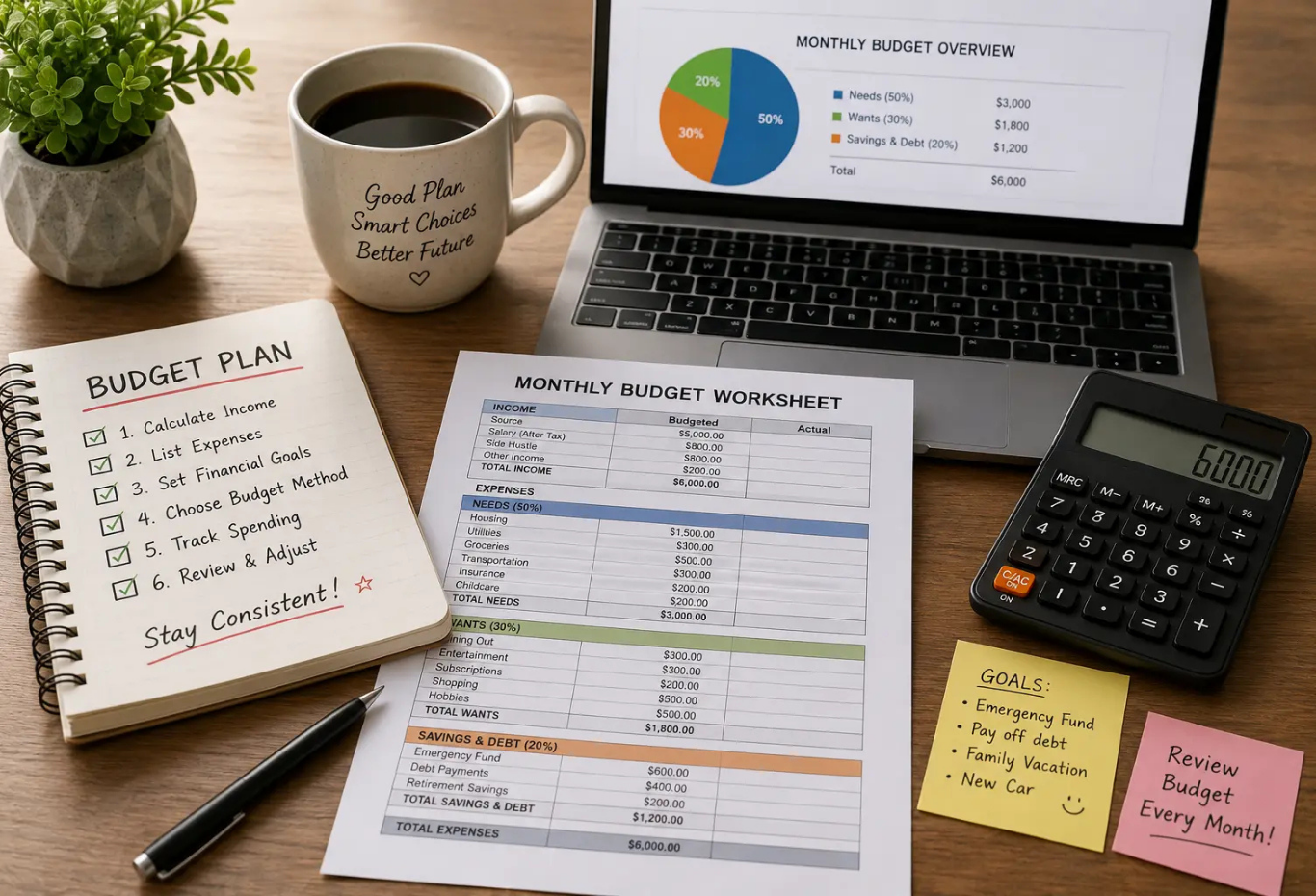
Managing household expenses has become an important part of everyday financial planning. A household budget is not simply a list of bills. It is a practical system that helps families understand where their money goes, prepare for recurring costs, handle unexpected expenses, and work toward longer-term financial goals.
In 2026, households may have to manage many different spending categories, including housing, utilities, groceries, transportation, healthcare, insurance, education, subscriptions, home maintenance, personal care, and entertainment. Some expenses are predictable, while others can change significantly from month to month.
The exact cost of living varies by country, city, household size, lifestyle, and personal circumstances. Therefore, there is no single budget that works for everyone. Instead, the most useful approach is to identify your own essential and flexible expenses and then create a realistic spending plan.
Understanding household expenses can also make it easier to identify areas where you can save money without making major lifestyle changes.
What Are Household Expenses?
Household expenses are the costs associated with running and maintaining a home and supporting the people who live in it.
These expenses can generally be divided into several categories:
- Housing
- Utilities
- Groceries
- Transportation
- Healthcare
- Insurance
- Education
- Home maintenance
- Personal care
- Communication
- Entertainment
- Subscriptions
- Savings
- Emergency expenses
Some expenses are fixed, while others are variable.
A rent payment may remain the same for several months, while grocery spending can change every week. Understanding this difference makes budgeting easier.
1. Housing Costs
Housing is usually one of the largest household expenses.
For renters, housing costs may include:
- Monthly rent
- Security deposits
- Parking
- Maintenance fees
- Utilities
- Renter's insurance
Homeowners may also have:
- Mortgage payments
- Property taxes
- Home insurance
- Maintenance
- Repairs
- Association fees
- Renovation costs
When calculating the real cost of housing, do not look only at the rent or mortgage payment. Additional costs can significantly affect the total monthly housing budget.
A home that appears affordable based on its monthly payment may become more expensive after adding utilities, transportation, maintenance, and other associated costs.
2. Electricity and Utilities
Utilities are another important part of household expenses.
Common utility costs include:
- Electricity
- Gas
- Water
- Heating
- Cooling
- Waste collection
- Internet
- Phone services
Energy usage can change throughout the year. Heating and cooling may increase utility costs during extreme weather conditions.
Simple efficiency improvements can help reduce energy consumption. Using energy-efficient lighting, maintaining appliances properly, reducing unnecessary usage, and improving insulation where practical can all contribute to lower household energy expenses.
Monitoring monthly utility bills can also help identify unusual increases.
3. Grocery Expenses
Food is an essential household expense, but grocery spending can vary considerably depending on household size, eating habits, location, and shopping choices.
A practical grocery budget can include:
- Fresh vegetables
- Fruits
- Meat and seafood
- Dairy products
- Grains
- Snacks
- Beverages
- Pantry staples
- Household food supplies
Meal planning can help reduce unnecessary purchases.
Creating a shopping list before visiting a store can also reduce impulse buying. Comparing prices, purchasing frequently used products in suitable quantities, and using items before they expire can improve grocery efficiency.
However, buying the cheapest option is not always the best strategy. Consider quality, nutritional value, shelf life, and actual household consumption.
4. Transportation Costs
Transportation can represent a significant portion of a household budget.
Vehicle-related expenses may include:
- Car payments
- Fuel
- Insurance
- Maintenance
- Repairs
- Registration
- Parking
- Tolls
Public transportation users may have costs related to buses, trains, taxis, ridesharing, or other services.
Transportation expenses should include both regular and occasional costs. A car repair may not happen every month, but it should still be included in long-term financial planning.
Regular vehicle maintenance can also help prevent some expensive problems.
5. Healthcare Expenses
Healthcare costs can be difficult to predict.
Depending on the household and country, healthcare spending may include:
- Insurance premiums
- Doctor visits
- Prescriptions
- Dental care
- Vision care
- Laboratory tests
- Emergency treatment
- Medical equipment
Even households with health insurance may have out-of-pocket expenses.
A household budget should therefore include some allowance for healthcare costs and unexpected medical needs.
Keeping track of medical bills, insurance coverage, prescriptions, and preventive appointments can help avoid unnecessary expenses.
6. Insurance Costs
Insurance can protect households against certain financial risks.
Common forms of household insurance may include:
- Health insurance
- Home insurance
- Renters insurance
- Auto insurance
- Life insurance
- Travel insurance
Insurance premiums are recurring expenses, but the amount can vary depending on the policy and personal circumstances.
When reviewing insurance, avoid focusing only on price. Coverage limits, deductibles, exclusions, and policy conditions also matter.
Comparing policies periodically can help ensure that your coverage remains appropriate.
7. Communication and Internet Expenses
Internet and mobile communication are now essential for many households.
Monthly communication expenses may include:
- Home internet
- Mobile phone plans
- Additional data
- Streaming-related internet services
- Landline services
- Cloud storage
Review these services periodically.
Households sometimes continue paying for plans with features they rarely use. Comparing current usage with the plan can reveal opportunities to reduce unnecessary spending.
8. Home Maintenance and Repairs
Every household needs to plan for maintenance.
Examples include:
- Plumbing repairs
- Electrical work
- Appliance repairs
- Painting
- Roof maintenance
- Air-conditioning service
- Heating maintenance
- Pest control
- Garden maintenance
These costs are often irregular, which makes them easy to overlook.
Instead of waiting for a major repair to create a financial problem, consider creating a dedicated home maintenance fund.
Regular inspections and preventative maintenance may also help identify smaller problems before they become more expensive.
9. Household Supplies
Household supplies may appear inexpensive individually, but recurring purchases can add up.
These can include:
- Cleaning products
- Laundry detergent
- Paper products
- Kitchen supplies
- Light bulbs
- Batteries
- Personal hygiene products
- Basic tools
Buying frequently used products in appropriate quantities can sometimes reduce the cost per unit.
However, avoid buying large quantities simply because an item is discounted if your household is unlikely to use it before it expires or becomes unnecessary.
10. Education and Child-Related Expenses
Families with children may have additional household expenses.
These can include:
- School fees
- Books
- Uniforms
- School supplies
- Transportation
- Activities
- Sports
- Tutoring
- Technology
Education costs can vary significantly, so families should plan for both regular and seasonal expenses.
Setting aside money throughout the year can make large school-related purchases easier to manage.
11. Personal Care Expenses
Personal care is another household spending category.
Examples include:
- Haircuts
- Skincare
- Toiletries
- Cosmetics
- Grooming products
- Salon services
These expenses can be adjusted according to personal priorities.
Creating a monthly personal-care allowance can help prevent small purchases from quietly expanding the household budget.
12. Entertainment and Recreation
Entertainment is not necessarily an unnecessary expense. Recreation and leisure can contribute to quality of life.
Households may spend money on:
- Movies
- Restaurants
- Events
- Hobbies
- Sports
- Games
- Travel
- Books
- Streaming services
The key is to include entertainment in the budget rather than treating it as an unlimited category.
A defined entertainment allowance allows households to enjoy leisure activities while maintaining financial control.
13. Subscription Expenses
Subscriptions have become a common source of recurring household spending.
These may include:
- Streaming platforms
- Music services
- Cloud storage
- Software
- Fitness memberships
- Gaming subscriptions
- News services
- Meal delivery programs
Because subscriptions are automatically renewed in many cases, people may continue paying for services they no longer use.
Review your subscriptions regularly and cancel services that no longer provide enough value.
A simple subscription audit once every few months can potentially reduce unnecessary expenses.
14. Pet-Related Household Expenses
Households with pets also need to budget for animal care.
Pet expenses can include:
- Food
- Grooming
- Veterinary visits
- Preventive treatments
- Toys
- Bedding
- Training
- Pet insurance
- Emergency care
Some expenses are predictable, while veterinary emergencies can be difficult to anticipate.
A separate pet-care fund can help prepare for unexpected costs.
15. Clothing and Footwear
Clothing is another flexible household expense.
Instead of setting an identical clothing budget every month, some households may find it more practical to plan seasonally.
For example, clothing expenses may increase during seasonal changes, school periods, or special events.
A capsule wardrobe approach can help reduce unnecessary purchases by focusing on versatile pieces that can be combined in multiple ways.
Buying quality products that receive frequent use can also provide better long-term value.
16. Savings Should Be Part of the Household Budget
Savings should not simply be whatever remains after spending.
Whenever possible, include savings as a planned part of the household budget.
Savings can be divided into different goals:
- Emergency fund
- Short-term purchases
- Home repairs
- Education
- Travel
- Retirement
- Long-term investments
The exact amount depends on income, expenses, financial goals, and circumstances.
Even small, consistent contributions can help create a stronger financial cushion over time.
17. Building an Emergency Fund
Unexpected expenses are one of the biggest challenges in household budgeting.
Examples include:
- Car repairs
- Medical bills
- Appliance replacement
- Job-related changes
- Emergency travel
- Home repairs
An emergency fund can provide a financial buffer for these situations.
Keep emergency savings separate from everyday spending when possible. The purpose is to make the money available when something unexpected happens rather than using it for routine purchases.
18. Fixed vs. Variable Household Expenses
Understanding the difference between fixed and variable expenses can make budgeting much easier.
Fixed Expenses
These generally remain relatively stable for a period of time.
Examples include:
- Rent
- Mortgage payments
- Insurance premiums
- Certain subscription fees
- Loan payments
Variable Expenses
These can change from month to month.
Examples include:
- Groceries
- Electricity
- Fuel
- Entertainment
- Clothing
- Dining out
Fixed expenses are usually easier to predict, while variable expenses provide more opportunities for adjustment.
19. How to Create a Household Budget in 2026
Start by recording your household's total income.
Then list all recurring expenses.
Next, divide expenses into categories such as housing, food, transportation, healthcare, utilities, and entertainment.
After that, review the previous few months of spending if records are available.
Look for expenses that are:
- Essential
- Flexible
- Occasional
- Unnecessary
- Unexpected
This classification can help identify where changes can realistically be made.
The goal is not to eliminate every enjoyable expense. A successful budget should be realistic enough to maintain over time.
20. Ways to Reduce Household Expenses
There are many ways to lower household spending without making extreme lifestyle changes.
Consider:
- Meal planning
- Comparing insurance policies
- Reviewing subscriptions
- Reducing energy waste
- Buying generic products when appropriate
- Using loyalty programs carefully
- Maintaining vehicles regularly
- Repairing items when practical
- Buying secondhand products
- Planning large purchases
- Avoiding impulse shopping
Small changes across several categories can sometimes have a larger effect than making one dramatic cut.
21. Use Technology to Track Spending
Budgeting apps, spreadsheets, banking tools, and digital expense trackers can make household budgeting easier.
A simple spreadsheet can track:
| Category | Planned | Actual |
|---|---|---|
| Housing | $ | $ |
| Utilities | $ | $ |
| Groceries | $ | $ |
| Transportation | $ | $ |
| Healthcare | $ | $ |
| Entertainment | $ | $ |
| Savings | $ | $ |
| Other | $ | $ |
The currency and amounts should be customized to your household and location.
The most important part is reviewing the numbers regularly.
Common Household Budgeting Mistakes
One common mistake is forgetting irregular expenses.
Car repairs, annual subscriptions, school costs, insurance renewals, and home maintenance may not appear every month, but they still affect the annual budget.
Another mistake is underestimating small recurring purchases. A coffee, app subscription, delivery fee, or frequent convenience purchase may appear insignificant individually but become meaningful when repeated.
Other mistakes include:
- Not tracking spending
- Ignoring debt payments
- Having no emergency fund
- Making unrealistic budgets
- Failing to review subscriptions
- Ignoring seasonal expenses
- Treating savings as optional
- Making major purchases without planning
A realistic budget should reflect actual household behavior.
Final Thoughts
Household expenses in 2026 cover much more than rent or groceries. Housing, utilities, food, transportation, healthcare, insurance, communication, subscriptions, home maintenance, personal care, entertainment, and savings can all influence a family's financial situation.
The most effective household budget is not necessarily the strictest one. It is the one that accurately reflects income, essential expenses, personal priorities, and future goals.
Start by tracking where your money goes. Separate fixed costs from variable expenses, plan for irregular bills, review recurring subscriptions, and build savings into the budget whenever possible.
You do not need to change everything at once. Small adjustments made consistently can improve financial control and make unexpected expenses easier to manage.
A household budget should ultimately give you more confidence and clarity—not simply tell you what you cannot buy. By understanding your household expenses and planning ahead, you can make more informed financial decisions throughout 2026 and beyond.