Northern Destinations: A Guide to Beautiful Mountain Getaways
Northern destinations have a special appeal for travelers who want to escape busy cities and experience mountains, forests, lakes, valleys, rivers, and peaceful surroundings. From dramatic snow-covered peaks to green summer valleys, northern regions offer a wide range of experiences for adventure seekers, families, couples, photographers, and anyone looking for a refreshing vacation.
Whether you are planning a short weekend trip or a longer mountain adventure, choosing the right northern destination can make your journey more enjoyable. Many northern areas are known for natural scenery, traditional villages, local food, outdoor activities, and unique cultures that are very different from urban life.
This guide explores what makes northern destinations attractive, how to choose the right place, the best activities to consider, and practical tips for planning a memorable mountain vacation.
What Are Northern Destinations?
The term "northern destinations" generally refers to travel locations situated in the northern parts of a country or region. These areas often include mountainous landscapes, high-altitude valleys, forests, lakes, rivers, and rural communities.
In countries with significant mountain ranges, northern destinations can become major tourism centers. They may offer everything from peaceful sightseeing and family vacations to hiking, camping, skiing, trekking, and other adventure activities.
The exact experience depends on the destination and season. A location that is covered in snow during winter may become a green landscape filled with flowers during spring and summer.
Why Are Northern Destinations So Popular?
One of the biggest reasons travelers visit northern destinations is the opportunity to experience nature. Mountain scenery provides a refreshing change from crowded cities, traffic, and daily routines.
Northern areas can also offer:
- Fresh mountain air
- Scenic valleys and peaks
- Lakes and rivers
- Forests and waterfalls
- Hiking and trekking opportunities
- Snow activities
- Local cultural experiences
- Traditional food
- Photography opportunities
- Peaceful accommodation
- Adventure activities
Another advantage is the variety of travel experiences. Some travelers may want to spend their vacation relaxing at a hotel with a mountain view, while others may prefer hiking through remote valleys or camping beside a lake.
Mountain Valleys and Scenic Landscapes
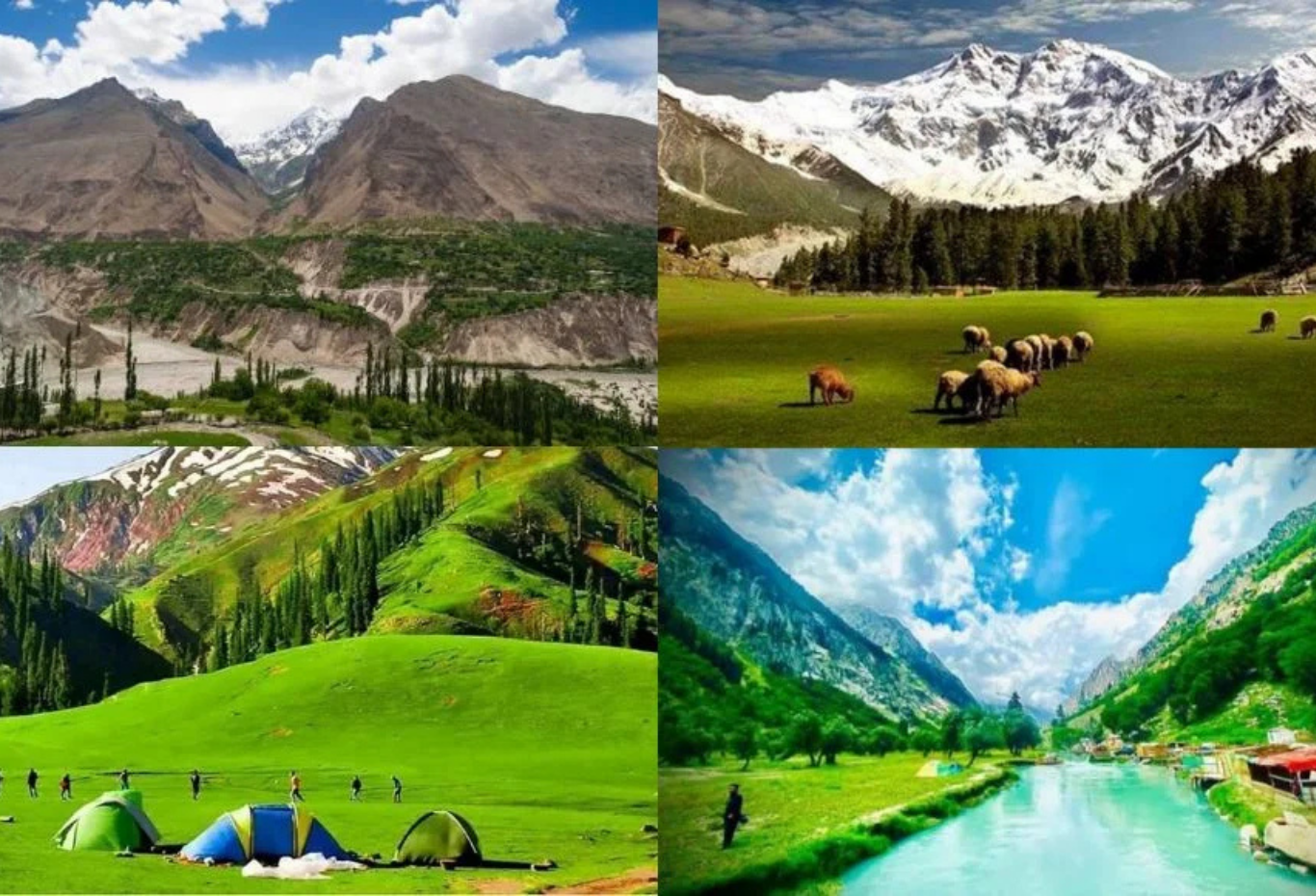
Mountain valleys are among the most attractive northern destinations for travelers. Surrounded by high peaks, valleys often contain rivers, forests, farmland, villages, and winding roads.
The landscape can change dramatically depending on the season. Spring may bring colorful flowers and fresh greenery, while summer often provides comfortable weather for sightseeing and outdoor activities. Autumn can transform forests into colorful landscapes, and winter brings snow-covered scenery.
Valleys are particularly appealing to photographers because they offer a combination of mountains, water, vegetation, and traditional settlements.
When visiting a valley, travelers should avoid trying to see everything in one day. A slower itinerary often provides a better experience because it allows time for sightseeing, local food, photography, and relaxation.
Northern Destinations for Adventure Travelers
Northern regions are often ideal for people who enjoy outdoor adventure.
Depending on the location and local conditions, activities may include hiking, trekking, camping, mountain biking, rafting, skiing, snowboarding, and off-road exploration.
Hiking is one of the simplest ways to explore a mountain destination. Even short trails can provide beautiful views that may not be accessible by vehicle.
More experienced travelers can choose longer trekking routes, but preparation is important. Comfortable footwear, suitable clothing, water, snacks, navigation tools, and awareness of weather conditions can make a major difference.
Adventure tourism should always be approached responsibly. Travelers should follow local regulations, respect trail conditions, and avoid risky routes without appropriate experience or equipment.
Lakes, Rivers, and Waterfalls
Water features add another dimension to northern landscapes. Mountain lakes surrounded by peaks can be particularly impressive, while rivers and waterfalls provide excellent places for sightseeing and photography.
Some destinations offer opportunities for boating, fishing, rafting, or other water-based activities. However, travelers should understand that mountain water can be cold and conditions can change quickly.
Waterfalls are also popular attractions. Some require a short hike, while others can be viewed directly from roads or designated viewpoints.
When visiting natural water attractions, travelers should avoid damaging vegetation, leaving waste behind, or entering restricted areas.
Northern Destinations in Different Seasons
One of the most important factors when planning a northern vacation is the season.
Spring
Spring is a great time to experience greenery, flowers, flowing streams, and moderate temperatures in many northern areas. It can be especially attractive for photographers and travelers who prefer natural scenery without extreme winter conditions.
Some high-altitude areas, however, may still have snow or limited road access.
Summer
Summer is often one of the most popular seasons for mountain travel. Warmer weather makes it easier to explore valleys, hiking trails, lakes, viewpoints, and outdoor attractions.
Because popular destinations can become crowded, travelers may benefit from booking accommodation in advance.
Autumn
Autumn can offer spectacular scenery as trees change color. Cooler temperatures also make outdoor exploration comfortable in many locations.
For photographers, autumn can be one of the most rewarding seasons because mountain landscapes can take on completely different colors.
Winter
Winter transforms many northern destinations into snowy landscapes. Snow-covered mountains, frozen lakes, and winter villages can create a completely different travel experience.
Skiing, snowboarding, sledding, and other winter activities may be available in suitable destinations.
However, winter travel requires more preparation. Roads can become difficult, temperatures can fall significantly, and some attractions may become inaccessible.
Cultural Experiences in Northern Areas
Northern destinations are not only about landscapes. Local culture can be an important part of the travel experience.
Mountain communities often have distinctive traditions, clothing, architecture, crafts, music, and food. Visiting local markets and restaurants can provide travelers with a better understanding of the region.
Instead of treating local communities simply as tourist attractions, visitors should interact respectfully. Asking permission before photographing people, supporting local businesses, and following local customs are simple ways to become a more responsible traveler.
Local food is another important part of the experience. Traditional dishes can vary significantly between regions and may include locally produced vegetables, grains, dairy products, meats, fruits, and regional specialties.
Family-Friendly Northern Destinations
Northern travel can be an excellent option for families, but the destination should match the needs of the group.
Families with young children may prefer locations with:
- Easy road access
- Comfortable hotels
- Nearby restaurants
- Short walking trails
- Family-friendly attractions
- Reliable transportation
- Medical facilities within reasonable distance
A destination with breathtaking scenery is not necessarily the best choice for every family. Remote areas can involve long drives, difficult roads, limited services, and changing weather.
Families should also consider travel time. Young children may find very long journeys tiring, so adding regular breaks can make the trip more comfortable.
Northern Destinations for Couples
Mountain destinations can also provide a peaceful setting for couples. Scenic viewpoints, lakeside locations, cozy hotels, and quiet valleys can create opportunities to relax away from busy city life.
Couples may enjoy combining sightseeing with slower activities such as enjoying local meals, watching sunsets, walking through villages, taking photographs, or simply spending time surrounded by nature.
A well-planned couple's trip does not need a packed itinerary. Leaving free time can often make the experience more enjoyable.
Budget-Friendly Northern Travel
A northern vacation does not always have to be expensive. Travelers can reduce costs by planning transportation, accommodation, and meals carefully.
Consider traveling during shoulder seasons when demand may be lower. Comparing different accommodation types can also help. Hotels, guesthouses, homestays, and cabins may provide different combinations of price, comfort, and location.
Traveling with a group can sometimes reduce transportation and accommodation costs because expenses can be shared.
Food is another area where travelers can control spending. Local restaurants and markets may offer more affordable options than highly tourist-focused establishments.
However, travelers should avoid choosing accommodation solely because it is cheap. Reviews, location, cleanliness, safety, and access to transportation are also important.
Choosing the Right Northern Destination
With so many mountain locations available, selecting the right one can feel difficult.
Start by identifying the purpose of your trip.
If relaxation is the main goal, look for scenic destinations with comfortable accommodation and easy access.
If adventure is the priority, research hiking trails, trekking routes, camping areas, skiing facilities, or other outdoor activities.
For families, focus on accessibility, safety, accommodation, and nearby services.
For photographers, consider destinations known for mountains, lakes, forests, waterfalls, sunrise views, and seasonal scenery.
The best destination is not necessarily the most famous one. Sometimes a less crowded location can provide a more peaceful and memorable experience.
Transportation and Road Planning
Transportation is an important part of northern travel because mountain roads can be very different from urban roads.
Some destinations can be reached easily by major highways, while others require winding mountain roads or local transportation.
Before leaving, check road conditions and travel times. Do not assume that a short distance on a map means a short journey. Mountain roads can significantly increase travel time.
If driving yourself, make sure the vehicle is suitable for the route. Check tires, brakes, fuel, fluids, and emergency equipment before beginning a long mountain journey.
Weather should also be considered because rain, snow, landslides, or other natural conditions can affect travel.
What to Pack for a Northern Vacation
Packing depends heavily on the season and destination.
Useful items may include:
- Comfortable walking shoes
- Warm layers
- Waterproof jacket
- Sunglasses
- Sunscreen
- Personal medications
- Reusable water bottle
- Power bank
- Basic first-aid supplies
- Identification and travel documents
- Camera or smartphone
- Appropriate outdoor equipment
Layered clothing is particularly useful because mountain temperatures can change throughout the day.
Travelers should also avoid overpacking. Carrying unnecessary luggage can become inconvenient when moving between hotels or traveling on narrow mountain roads.
Responsible Tourism in Northern Destinations
Beautiful natural areas need protection. Tourism can bring economic opportunities to local communities, but large numbers of visitors can also create waste, traffic, pollution, and environmental damage.
Travelers can reduce their impact by carrying reusable items, avoiding single-use plastic where possible, disposing of waste properly, staying on designated trails, and respecting wildlife.
Supporting local businesses is another valuable approach. Choosing local restaurants, guides, guesthouses, transportation providers, and shops can help tourism benefits remain within the community.
Responsible travel is not about avoiding tourism. It is about enjoying a destination without damaging the environment or disrespecting the people who live there.
Common Mistakes to Avoid
Several mistakes can turn an exciting northern vacation into a stressful experience.
One common mistake is planning too many destinations into a short trip. Mountain travel often takes longer than expected, so a relaxed schedule is usually better.
Another mistake is ignoring weather conditions. A sunny morning does not guarantee stable weather throughout the day.
Travelers should also avoid assuming that mobile connectivity, ATMs, fuel stations, or restaurants will always be available in remote areas.
Finally, avoid treating every mountain road or hiking route as suitable for everyone. Research difficulty levels and local conditions before starting an activity.
Final Thoughts
Northern destinations offer some of the most rewarding travel experiences for people who appreciate nature, adventure, culture, and peaceful surroundings. From green valleys and crystal-clear lakes to snowy mountains and traditional villages, these areas can provide something for almost every type of traveler.
The key to a successful northern vacation is thoughtful planning. Consider the season, destination accessibility, budget, activities, accommodation, transportation, and weather before leaving.
Most importantly, allow yourself time to enjoy the journey rather than focusing only on reaching the next attraction. The mountain roads, local communities, unexpected viewpoints, and quiet moments can become some of the most memorable parts of the trip.
Whether you are planning a family holiday, romantic getaway, adventure trip, or peaceful escape, northern destinations can offer a refreshing opportunity to reconnect with nature and experience a different side of travel.