Fitness Equipment: A Complete Guide to Choosing the Right Workout Gear
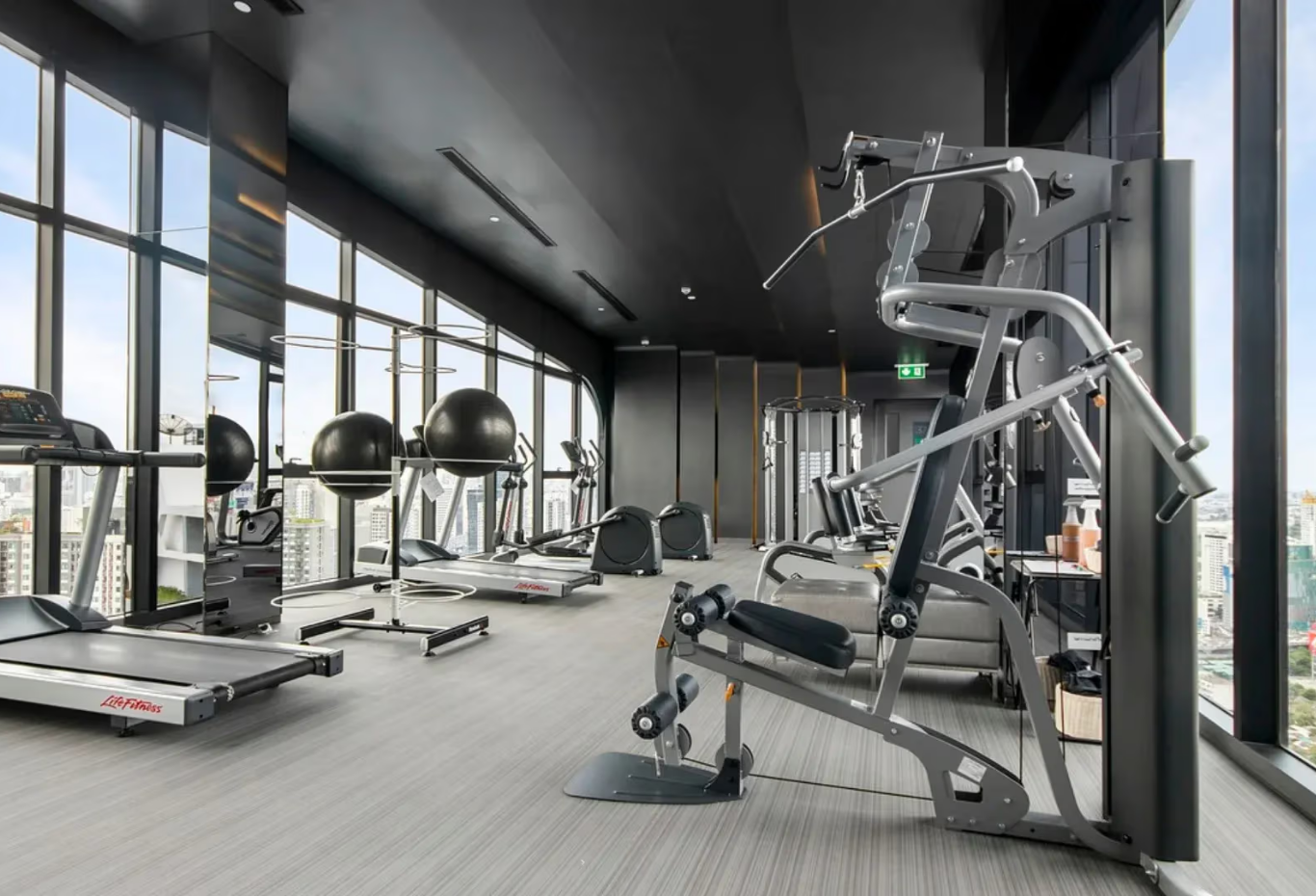
Fitness equipment has become an important part of modern exercise routines. Whether you prefer working out at home, training in a gym, exercising outdoors, or following a structured fitness program, the right equipment can make physical activity more comfortable, convenient, and effective. From simple resistance bands and yoga mats to advanced treadmills and strength-training machines, fitness equipment is available for nearly every goal and experience level.
However, choosing the right workout gear can be challenging. Fitness products come in many designs, sizes, materials, and price ranges. Some are designed for strength training, while others focus on cardiovascular exercise, flexibility, balance, or recovery. The best choice depends on your fitness goals, available space, budget, experience, and the type of workouts you enjoy.
This guide explores the major types of fitness equipment, their benefits, buying considerations, maintenance requirements, and practical ways to create a useful workout setup.
What Is Fitness Equipment?
Fitness equipment refers to tools, machines, accessories, and devices used to support exercise and physical training. These products can be used to improve strength, endurance, flexibility, balance, mobility, and overall physical performance.
Fitness equipment can be divided into several main categories:
- Strength-training equipment
- Cardio machines
- Flexibility and mobility tools
- Functional training equipment
- Recovery products
- Smart fitness devices
- Home workout accessories
- Outdoor fitness equipment
Some equipment is designed for beginners, while other products are created for athletes or advanced users. You do not need every type of equipment to maintain a consistent exercise routine. A small collection of useful products can support many different workouts.
Why Fitness Equipment Matters
Fitness equipment can make exercise more accessible and organized. For people who prefer home workouts, it removes the need to travel to a gym. For gym members, equipment provides options for progressive training and targeted exercises.
The right equipment can also help users:
- Improve workout variety
- Build strength
- Increase cardiovascular endurance
- Support better balance
- Improve flexibility
- Track performance
- Save time
- Exercise more consistently
- Adapt workouts to different fitness levels
However, equipment alone does not create results. Consistency, suitable exercise techniques, recovery, nutrition, and realistic goals are equally important.
Strength-Training Equipment
Strength-training equipment is designed to help users challenge their muscles and improve physical strength.
Dumbbells
Dumbbells are among the most versatile pieces of fitness equipment. They can be used for exercises such as shoulder presses, rows, lunges, squats, curls, and chest presses.
Adjustable dumbbells can be useful for small spaces because one set can provide several weight options.
When choosing dumbbells, consider grip comfort, weight range, storage, and whether the design is suitable for the exercises you plan to perform.
Kettlebells
Kettlebells are useful for strength, power, coordination, and functional movement.
Common kettlebell exercises include swings, goblet squats, presses, carries, and rows.
Because many kettlebell movements involve several muscle groups, they can be useful for people who want efficient full-body workouts.
Beginners should learn proper technique before performing fast or explosive kettlebell exercises.
Barbells and Weight Plates
Barbells and weight plates are commonly used for structured strength training.
They can support exercises such as squats, deadlifts, bench presses, and rows. This type of equipment is especially useful for users who want to progressively increase resistance.
A barbell setup requires suitable space, secure storage, and attention to safety. Beginners may benefit from professional instruction before performing heavy compound movements.
Resistance Bands
Resistance bands are affordable, portable, and easy to store. They can be used for strength training, warm-ups, mobility exercises, and rehabilitation-style movements.
Different bands provide different levels of resistance. Some are small loop bands, while others include handles or door anchors.
Resistance bands are useful for home workouts and travel because they take up very little space.
Cardio Fitness Equipment
Cardiovascular equipment is designed to improve endurance and support activities that increase the heart rate.
Treadmills
Treadmills allow users to walk or run indoors. They can be useful when weather conditions, safety concerns, or busy schedules make outdoor exercise difficult.
Before buying a treadmill, consider the running surface, maximum speed, motor capacity, folding design, noise level, weight limit, and available space.
A treadmill should be placed on a stable surface with enough room for safe movement.
Exercise Bikes
Exercise bikes provide a low-impact cardiovascular workout. They are often suitable for people who prefer cycling indoors or want an alternative to running.
Common types include upright bikes, recumbent bikes, and indoor cycling bikes.
Consider seat comfort, adjustability, resistance options, display features, and overall stability.
Rowing Machines
Rowing machines provide a full-body workout involving the legs, arms, back, and core.
They can support cardiovascular conditioning while also requiring coordinated movement.
Because rowing technique matters, users should learn the correct movement pattern to reduce unnecessary strain.
Elliptical Machines
Elliptical machines provide a low-impact cardio workout with moving handles and foot platforms.
They are popular among people who want to exercise without the repeated impact associated with running.
When choosing an elliptical, check stride length, resistance settings, machine size, stability, and comfort.
Functional Training Equipment
Functional training equipment supports movements that involve balance, coordination, stability, and multiple muscle groups.
Exercise Mats
An exercise mat provides cushioning and support during floor exercises, stretching, yoga, Pilates, and bodyweight workouts.
A good mat should offer enough thickness and grip for the activities you perform. Thicker mats may provide additional cushioning, while thinner mats may be easier to carry and store.
Stability Balls
Stability balls can be used for balance exercises, core training, stretching, and certain strength movements.
The correct ball size depends on the user's height and the exercises being performed.
Suspension Trainers
Suspension trainers use adjustable straps to support bodyweight exercises.
They can be attached to suitable secure points and used for rows, squats, lunges, presses, and core exercises.
Before using suspension equipment, confirm that the anchor point is strong and appropriate.
Plyometric Boxes
Plyometric boxes are used for step-ups, jumping exercises, and lower-body training.
They should be stable, appropriately sized, and placed on a non-slip surface. Beginners should start with controlled step-ups before attempting more demanding jumps.
Flexibility and Mobility Equipment
Flexibility and mobility tools can support warm-ups, stretching, and recovery.
Foam Rollers
Foam rollers are commonly used for self-massage and mobility routines. They may help users feel less stiff and improve movement comfort.
Different foam rollers vary in firmness, texture, and size. Beginners may prefer a softer model.
Massage Balls
Massage balls can be used to apply targeted pressure to areas such as the feet, shoulders, and upper back.
Pressure should remain comfortable. Excessive force or direct pressure on injured areas should be avoided.
Stretching Straps
Stretching straps can help users maintain controlled positions during flexibility exercises.
They are particularly useful for people who need assistance reaching certain positions without forcing movement.
Smart Fitness Equipment
Technology has become increasingly common in fitness products.
Smart fitness equipment may include digital displays, workout programs, connected applications, heart-rate monitoring, GPS tracking, and performance reports.
Smartwatches and fitness trackers can monitor activity, workouts, movement, and other health-related metrics.
Connected treadmills, bikes, and strength machines may provide guided workouts or track training progress.
Technology can be useful, but it should not replace attention to how your body feels. Metrics are tools for guidance, not perfect measurements of fitness or health.
Choosing Fitness Equipment for Home Use
Home fitness equipment should be selected according to available space and workout goals.
A beginner may only need:
- Exercise mat
- Resistance bands
- Adjustable dumbbells
- Jump rope
- Stability ball
People with more space may consider larger machines such as treadmills, exercise bikes, or rowing machines.
Before buying large equipment, measure the room carefully. Consider ceiling height, storage, ventilation, noise, flooring, and the space needed to move safely around the machine.
Foldable equipment can be useful in smaller homes, but it should still be stable and easy to use.
Fitness Equipment for Beginners
Beginners should avoid purchasing equipment simply because it looks advanced or popular.
Start with products that support basic movements and allow gradual progress.
For example, a beginner strength-training setup might include light dumbbells, resistance bands, and a mat. A person focused on walking may benefit more from comfortable footwear and a simple activity tracker than from an expensive cardio machine.
The most useful equipment is equipment that you will use regularly.
Factors to Consider Before Buying
Several factors should be evaluated before purchasing fitness equipment.
Fitness Goals
Your goal should guide your equipment choices. Strength training, weight management, endurance, flexibility, and rehabilitation may require different products.
Budget
Set a realistic budget that includes accessories, maintenance, delivery, and possible replacement parts.
Space
Large machines require enough room for installation and safe movement.
Quality
Look for strong construction, comfortable materials, reliable adjustment systems, and suitable weight limits.
Ease of Use
Equipment should be simple enough to use correctly. Complicated products may remain unused if setup takes too much time.
Warranty and Support
Check warranty coverage, customer support, return policies, and the availability of replacement parts.
Buying Fitness Equipment Online
Online shopping provides access to a wide range of fitness products, but careful research is important.
Before buying, review:
- Product dimensions
- Weight capacity
- Material quality
- Assembly requirements
- Warranty
- Return policy
- Customer reviews
- Storage requirements
- Replacement parts
- Delivery costs
Product photographs may not always show the actual size of equipment. Always check measurements before purchasing.
Customer reviews can be helpful, especially those discussing long-term use, durability, comfort, and maintenance.
New vs. Used Fitness Equipment
Used fitness equipment can be a practical way to reduce costs.
Products such as dumbbells, benches, kettlebells, and certain exercise machines may be available secondhand.
Inspect used equipment carefully for cracks, rust, unstable frames, damaged cables, worn belts, or unusual noises.
For safety-related equipment or machines with complex electrical systems, buying from a reliable seller and checking the product's condition is especially important.
Maintaining Fitness Equipment
Regular maintenance can improve safety and extend the life of fitness products.
General maintenance practices include:
- Wiping equipment after use
- Cleaning sweat from surfaces
- Checking bolts and adjustment points
- Inspecting cables and straps
- Lubricating parts when recommended
- Keeping machines away from excessive moisture
- Storing small equipment properly
- Following manufacturer instructions
Treadmills, exercise bikes, and rowing machines may require specific maintenance schedules. Always follow the instructions provided by the manufacturer.
Common Fitness Equipment Buying Mistakes
One common mistake is buying too much equipment before developing a workout routine.
Other mistakes include:
- Choosing equipment without measuring space
- Ignoring weight limits
- Buying products unsuitable for your fitness level
- Prioritizing appearance over function
- Ignoring warranty details
- Forgetting maintenance costs
- Purchasing equipment that is difficult to store
- Using equipment without learning proper technique
A simple, reliable setup is often more useful than a room filled with products that are rarely used.
Safety Considerations
Fitness equipment should be used according to its instructions.
Warm up before demanding workouts, use appropriate resistance, and avoid increasing intensity too quickly.
Check that equipment is stable before beginning an exercise. Keep children and pets away from moving machines, weights, and stored equipment.
If you have an injury, ongoing health concern, or uncertainty about safe exercise, consult a qualified healthcare or fitness professional before beginning a new routine.
Sustainable Fitness Equipment
Sustainability can be considered when purchasing workout gear.
Choose durable products that can be used for several years. Repair equipment when possible and avoid replacing items simply because a new style becomes popular.
Reusable water bottles, long-lasting exercise mats, adjustable weights, and multifunctional equipment can reduce unnecessary purchases.
At the end of a product's useful life, consider responsible recycling or donation where appropriate.
Final Thoughts
Fitness equipment can make exercise more convenient, varied, and enjoyable. From simple resistance bands and dumbbells to treadmills, rowing machines, smart devices, and recovery tools, there are products for nearly every fitness goal.
The best equipment is not necessarily the most expensive or technologically advanced. It should match your needs, experience level, available space, budget, and preferred activities.
Start with the essentials, prioritize quality and safety, and add new equipment only when it supports your progress. With the right choices and a consistent routine, fitness equipment can become a valuable part of a healthier and more active lifestyle.