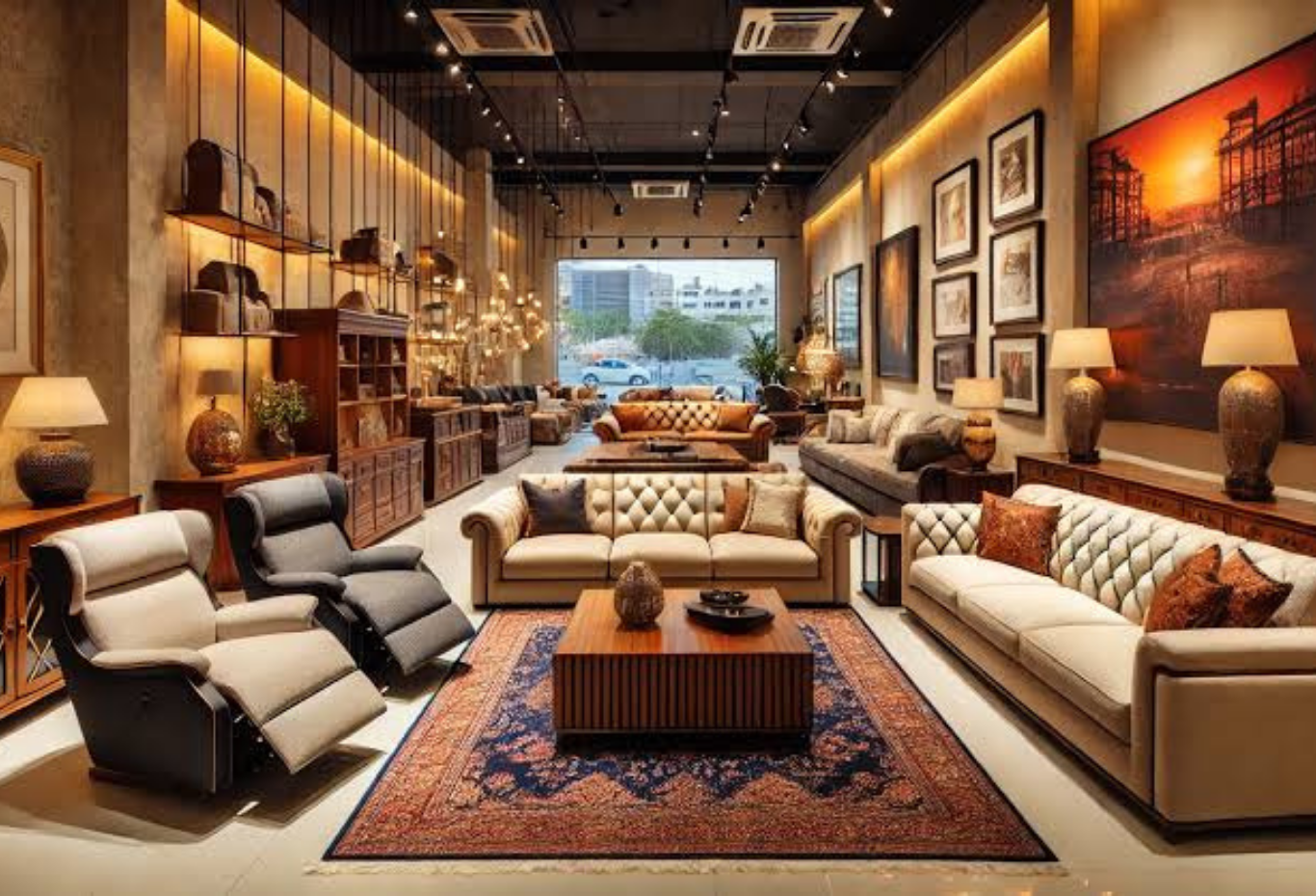
Furniture: A Complete Guide to Choosing, Styling, and Buying Furniture
Furniture is one of the most important parts of any home. It provides comfort and functionality while also helping define the appearance and personality of a room. From sofas and beds to dining tables, wardrobes, desks, and storage cabinets, furniture makes everyday spaces more practical and comfortable.
Choosing furniture, however, is not simply about finding something that looks attractive. The right piece should match the available space, suit the household's needs, provide appropriate comfort, and fit within a realistic budget. Quality, materials, maintenance, durability, and style are also important considerations.
Whether you are furnishing a new home, renovating a room, replacing old pieces, or simply looking for a few additions, understanding the basics of furniture can make the buying process easier. This guide explores different furniture types, popular materials, furniture styles, buying considerations, room-by-room ideas, maintenance tips, and modern furniture trends.
What Is Furniture?
Furniture refers to movable items designed to support activities such as sitting, sleeping, eating, working, storing belongings, and relaxing.
Common furniture includes:
- Sofas and couches
- Beds and headboards
- Dining tables and chairs
- Coffee tables
- Wardrobes
- Cabinets
- Dressers
- Bookshelves
- Desks
- Office chairs
- TV units
- Benches
- Outdoor furniture
Furniture can be made from many materials, including wood, metal, glass, plastic, fabric, leather, engineered wood, and combinations of different materials.
The best furniture choice depends on how a particular room is used and what the household needs from it.
Why Furniture Matters in Interior Design
Furniture can influence the overall appearance and atmosphere of a room. Even a simple room can feel completely different after adding a carefully selected sofa, dining table, bed, or storage unit.
Furniture helps establish visual balance and can create a sense of style. A room filled with large pieces may feel crowded, while a room with furniture that is too small may appear unfinished.
The placement of furniture also affects movement. There should generally be enough space for people to walk comfortably around major pieces.
Good furniture design therefore combines appearance with practicality.
Different Types of Furniture
Furniture can be divided into several categories based on its purpose.
Living Room Furniture
Living room furniture often includes sofas, armchairs, coffee tables, side tables, TV units, bookshelves, and storage cabinets.
The sofa is usually one of the largest pieces in the room, so its size and shape should match the available space.
For smaller living rooms, compact sofas, nesting tables, storage ottomans, and multifunctional furniture can help maximize space.
Bedroom Furniture
Bedroom furniture generally includes beds, wardrobes, nightstands, dressers, chests of drawers, benches, and storage units.
The bed is usually the central piece. Its size should be appropriate for the room while leaving sufficient space around it.
Storage is also important. A well-designed wardrobe or dresser can help keep clothing and personal items organized without making the room feel cluttered.
Dining Room Furniture
Dining furniture typically includes tables, chairs, benches, cabinets, and sideboards.
Dining tables come in various shapes, including rectangular, square, round, and oval. The best shape depends on room size, seating requirements, and personal preference.
A dining table should provide enough space for people to sit comfortably without making movement around the room difficult.
Home Office Furniture
With more people working or studying from home, home office furniture has become increasingly important.
A basic setup may include a desk, office chair, storage cabinet, bookshelf, and lighting.
The desk should provide enough surface area for a computer and other essential items. An appropriate chair can also make long work sessions more comfortable.
Outdoor Furniture
Outdoor furniture is designed for patios, balconies, gardens, terraces, and other exterior spaces.
Popular options include outdoor sofas, dining sets, chairs, benches, loungers, and tables.
Outdoor furniture needs to be selected with weather conditions in mind. Materials and finishes designed for outdoor use can help improve durability.
Popular Furniture Materials
Furniture is available in a wide range of materials, each offering different advantages.
Solid Wood
Solid wood is valued for its natural appearance, durability, and traditional appeal.
Different types of wood can produce different colors, textures, and finishes. Well-maintained wooden furniture can remain useful for many years.
However, solid wood furniture can be heavier and more expensive than some alternatives.
Engineered Wood
Engineered wood products are widely used in modern furniture. Materials such as MDF, particleboard, and plywood can provide practical and affordable alternatives to solid wood.
The quality of engineered wood furniture varies, so buyers should consider construction, thickness, hardware, finish, and overall build quality.
Metal
Metal furniture is popular for modern, industrial, minimalist, and outdoor designs.
Steel and aluminum can provide strong structures, while different finishes can change the appearance of the furniture.
Metal can also be combined with wood, glass, or fabric to create a mixed-material design.
Glass
Glass is commonly used for dining tables, coffee tables, shelves, and decorative furniture.
Transparent glass can make a small space appear more open because it does not visually block the room as much as solid surfaces.
However, glass furniture requires regular cleaning and careful handling.
Upholstery and Fabric
Fabric is commonly used on sofas, chairs, benches, and beds.
Different fabrics provide different textures and levels of durability. Households with children or pets may want to prioritize easy-cleaning and durable upholstery.
How to Choose the Right Furniture
Buying furniture requires more planning than simply choosing a design you like.
Measure the Space
Always measure the room before purchasing large furniture.
Measure doorways, hallways, elevators, staircases, and the final location where the furniture will be placed. A sofa that fits perfectly in a showroom may not fit through a narrow doorway.
Room measurements can prevent expensive and frustrating mistakes.
Consider Function
Think about how the furniture will actually be used.
A beautiful coffee table may not be practical if the household needs additional storage. A stylish desk may not be useful if it does not provide enough workspace.
Prioritize the functions that matter most to your lifestyle.
Consider Comfort
Comfort is particularly important for sofas, beds, chairs, and other furniture that people use for extended periods.
When possible, test furniture before purchasing it. Consider seat depth, firmness, back support, height, and overall feel.
Match the Room's Style
Furniture should work with the overall design of the room.
Modern interiors may suit clean lines and simple shapes, while traditional spaces may work better with detailed woodwork and classic forms.
A combination of styles can also work well when the colors, materials, and proportions are balanced.
Furniture Styles
Different furniture styles can create very different atmospheres.
Modern Furniture
Modern furniture generally emphasizes simple forms, clean lines, and practical design.
Neutral colors and uncluttered layouts are common, although modern furniture can also include bold colors and distinctive shapes.
Minimalist Furniture
Minimalist furniture focuses on simplicity and functionality. Pieces are often designed to avoid unnecessary decoration.
This style can work particularly well in smaller spaces because it emphasizes open areas and reduced visual clutter.
Traditional Furniture
Traditional furniture often features classic shapes, decorative details, rich materials, and timeless designs.
It can create a warm and formal atmosphere.
Industrial Furniture
Industrial furniture commonly combines materials such as metal and wood. Exposed structures, darker finishes, and simple functional forms are common characteristics.
Scandinavian-Inspired Furniture
Scandinavian-inspired furniture typically emphasizes simplicity, functionality, natural materials, and comfortable design.
Light colors and uncluttered layouts are frequently associated with this style.
Furniture for Small Spaces
Small homes and apartments require careful furniture selection.
Multifunctional furniture can be particularly useful. Examples include storage beds, extendable dining tables, nesting tables, folding desks, ottomans with hidden storage, and modular sofas.
Vertical storage can also make better use of available space. Tall bookshelves and cabinets can provide additional storage without taking up too much floor area.
Furniture with exposed legs can sometimes make a room feel more open because more of the floor remains visible.
Furniture and Storage
Storage furniture plays an important role in keeping homes organized.
Wardrobes, cabinets, bookshelves, sideboards, dressers, and storage benches can help reduce clutter.
When selecting storage furniture, consider both internal capacity and external dimensions. A large cabinet may provide substantial storage but could make a room difficult to navigate.
It is also useful to think about what will be stored inside. Adjustable shelves, drawers, compartments, and hanging areas can make storage more practical.
Buying Furniture Online
Online furniture shopping has become increasingly common. It provides access to a wide range of styles, sizes, colors, and price points.
However, buying furniture online requires additional attention to measurements and product details.
Before ordering, check:
- Exact dimensions
- Material information
- Assembly requirements
- Weight capacity where relevant
- Delivery options
- Return policy
- Warranty information
- Customer reviews
- Product photographs
- Care instructions
Do not rely solely on photographs. A product can look larger or smaller on a screen than it actually is.
New vs. Used Furniture
New furniture offers the advantage of choosing specific styles, materials, sizes, and finishes. It may also include manufacturer warranties.
Used furniture can provide significant savings and may offer opportunities to find unique or vintage pieces.
When buying used furniture, inspect the structure carefully. Check joints, drawers, hinges, upholstery, surfaces, and signs of damage.
For upholstered pieces, buyers should pay particular attention to cleanliness, odors, stains, wear, and the overall condition of the fabric.
Sustainable Furniture Choices
Sustainability has become an increasingly important consideration for furniture buyers.
One way to reduce waste is to purchase durable furniture that can remain useful for a long time. Repairing or refinishing older furniture can also extend its lifespan.
Buying secondhand furniture is another way to give existing pieces a new life.
Consumers may also look for responsibly sourced materials, durable construction, repairable designs, and manufacturers that provide clear information about materials and production practices.
Sustainable furniture does not necessarily mean buying the most expensive product. Choosing quality and longevity over disposable designs can be a practical approach.
How to Maintain Furniture
Proper maintenance can extend the useful life of furniture.
Wooden furniture should generally be kept clean and protected from excessive moisture. Fabric upholstery should be vacuumed regularly and cleaned according to the manufacturer's instructions.
Metal furniture should be checked for rust or surface damage, particularly when used outdoors.
Glass surfaces should be cleaned with appropriate products and handled carefully.
Furniture should also be protected from unnecessary exposure to direct sunlight where possible because prolonged exposure can affect certain finishes and fabrics.
Following manufacturer care instructions is one of the simplest ways to protect a furniture investment.
Common Furniture-Buying Mistakes
One of the biggest mistakes is buying furniture without measuring the space.
Another is choosing appearance over functionality. A piece may look beautiful but still be uncomfortable or impractical.
Buyers should also avoid focusing only on the initial price. Cheap furniture may require replacement sooner if construction quality is poor.
Ignoring delivery and assembly requirements can also create problems. Large furniture may require special delivery arrangements or professional assembly.
Finally, avoid filling a room with too many large pieces. Leaving enough open space can make the room more comfortable and visually balanced.
Current Furniture Trends
Furniture trends continue to evolve as lifestyles change.
Multifunctional furniture remains popular, particularly in apartments and smaller homes. Flexible pieces can serve multiple purposes without requiring additional floor space.
Natural-looking materials, neutral tones, curved shapes, modular designs, and mixed-material furniture are also popular design directions.
Technology is influencing furniture as well. Modern desks may include cable-management systems, built-in charging features, and adjustable-height mechanisms.
The most useful trend, however, is furniture that combines attractive design with long-term practicality.
Final Thoughts
Furniture is much more than decoration. The right pieces can improve comfort, organization, functionality, and the overall atmosphere of a home.
Whether you are furnishing a living room, bedroom, dining area, home office, or outdoor space, consider measurements, purpose, comfort, materials, quality, style, and budget before making a purchase.
There is no single furniture style that is right for everyone. A successful home combines pieces that reflect personal taste while meeting everyday needs.
By choosing furniture carefully and maintaining it properly, you can create spaces that are comfortable, practical, attractive, and useful for years to come.