Home and Garden: A Complete Guide to Creating a Comfortable, Stylish & Functional Space
Home and garden are important parts of everyday life. A home is more than just a place to live, while a garden can be more than an outdoor area. Together, they create an environment where people relax, work, spend time with family, entertain guests, and enjoy their personal interests.
Modern home and garden design focuses on more than appearance. Comfort, functionality, organization, durability, sustainability, and efficient use of space have become equally important. From choosing furniture and improving storage to creating a small balcony garden or designing an outdoor living area, even simple changes can make a property feel more welcoming.
Whether you are decorating a new home, renovating an existing space, improving your garden, or simply looking for affordable ideas, understanding the basics of home and garden can help you make better decisions.
What Does Home and Garden Include?
The term home and garden covers a wide range of products, ideas, projects, and services related to indoor and outdoor living spaces.
Home-related areas include:
- Furniture
- Home décor
- Kitchen products
- Bedding
- Lighting
- Storage
- Appliances
- Flooring
- Bathroom products
- Home improvement
- Smart home technology
- Cleaning products
- Organization
Garden-related areas include:
- Plants
- Gardening tools
- Outdoor furniture
- Planters
- Garden décor
- Soil and growing materials
- Outdoor lighting
- Watering equipment
- Lawn care
- Patio products
- Outdoor storage
The connection between these areas has become stronger as people increasingly view indoor and outdoor spaces as parts of one overall lifestyle.
Why Home and Garden Matter
A well-designed home can improve comfort and make daily routines easier.
For example, effective storage can reduce clutter, while suitable lighting can make rooms more functional. Comfortable furniture can improve relaxation, and an organized kitchen can make cooking easier.
Gardens and outdoor spaces can provide additional benefits. A small collection of plants can make a balcony feel more inviting, while a larger garden can provide space for entertaining, gardening, recreation, or relaxation.
The goal is not necessarily to create a luxury property. A successful home and garden setup should work for the people who actually live there.
Choosing the Right Furniture
Furniture is one of the most visible parts of a home.
Important furniture categories include:
- Sofas
- Beds
- Dining tables
- Chairs
- Coffee tables
- Cabinets
- Bookshelves
- Desks
- Storage units
- Outdoor seating
When choosing furniture, consider the room's size and layout before focusing on appearance.
A large sofa may look attractive in a showroom but overwhelm a small living room. Similarly, a very small dining table may not work well for a large family.
Focus on Functionality
Every furniture piece should have a purpose.
A storage ottoman, for example, can provide seating while also offering storage. A bed with built-in drawers can be useful in a small bedroom.
Multifunctional furniture can be particularly valuable in apartments and smaller homes.
Home Décor and Personal Style
Home décor allows homeowners and renters to express their personalities.
Popular design directions include:
- Modern
- Minimalist
- Traditional
- Contemporary
- Industrial
- Scandinavian-inspired
- Rustic
- Bohemian-inspired
- Natural and organic-inspired
You do not have to follow one design style throughout the entire home.
A neutral room can be personalized with artwork, cushions, rugs, plants, lamps, photographs, and decorative objects.
The most successful spaces usually combine visual appeal with practical everyday use.
Choosing Home Colors
Color can influence how a room looks and feels.
Light colors can make smaller rooms appear more open, while darker shades can create a more dramatic and intimate atmosphere.
Neutral shades such as white, beige, gray, cream, and soft brown are versatile and easy to combine with different décor.
Accent colors can then be introduced through:
- Cushions
- Curtains
- Rugs
- Artwork
- Decorative objects
- Plants
- Furniture
Instead of repainting an entire room whenever you want a new appearance, smaller decorative changes can provide variety at a lower cost.
Lighting for the Home
Lighting is an important but sometimes overlooked part of interior design.
A good room may use several types of lighting.
Ambient Lighting
Ambient lighting provides general illumination throughout a room.
Task Lighting
Task lighting focuses on specific activities such as reading, cooking, working, or studying.
Accent Lighting
Accent lighting highlights artwork, architectural features, shelves, plants, or decorative objects.
Combining these different types can create a more flexible environment.
Energy-efficient lighting can also help reduce electricity consumption while providing long-term value.
Kitchen and Dining Spaces
The kitchen is often one of the busiest areas of a home.
Good kitchen design should consider workflow, storage, cleaning, and accessibility.
Useful kitchen improvements can include:
- Organized cabinets
- Drawer organizers
- Pantry storage
- Easy-to-clean surfaces
- Practical lighting
- Countertop organization
- Efficient appliances
A clutter-free kitchen is often easier to use than a kitchen filled with decorative items.
The dining area should also provide enough space for comfortable movement around tables and chairs.
Bedroom Comfort
The bedroom should support relaxation and sleep.
Important elements include:
- Comfortable bedding
- Appropriate pillows
- Suitable mattress
- Curtains or blinds
- Storage
- Soft lighting
- Functional furniture
A bedroom does not need expensive décor to feel comfortable. Clean organization, appropriate lighting, comfortable bedding, and a peaceful color scheme can make a significant difference.
Home Organization and Storage
Storage is one of the most practical aspects of home improvement.
Clutter often develops when frequently used items do not have designated places.
Storage solutions may include:
- Shelving
- Storage baskets
- Drawer organizers
- Under-bed storage
- Wall-mounted systems
- Multi-purpose furniture
- Closet organizers
Before buying storage products, identify what needs to be stored and measure the available space.
This prevents buying organizers that do not fit your actual needs.
Smart Home Technology
Technology has become increasingly connected to home living.
Smart home products can include:
- Smart lighting
- Smart plugs
- Smart thermostats
- Security cameras
- Video doorbells
- Smart locks
- Robot vacuums
- Smart appliances
- Home energy monitors
These devices can provide convenience, automation, and monitoring.
However, homeowners should consider compatibility and security before building a large smart home system. Using products that work well together can make the experience much easier.
Home Improvement Projects
Home improvement does not always require a major renovation.
Small projects can make noticeable differences.
Examples include:
- Repainting walls
- Updating cabinet hardware
- Installing shelves
- Improving lighting
- Reorganizing closets
- Replacing worn fixtures
- Adding curtains
- Updating bathroom accessories
- Creating a dedicated workspace
For larger projects involving electrical systems, plumbing, structural changes, or other specialized work, qualified professionals may be appropriate.
Creating a Home Office
Remote and hybrid work have increased the importance of dedicated workspaces.
A functional home office may include:
- Comfortable desk
- Supportive chair
- Good lighting
- Monitor
- Keyboard and mouse
- Storage
- Cable management
The workspace should be separated from unnecessary distractions where possible.
Even if you do not have a dedicated room, a small corner can become a practical workstation with the right furniture and organization.
What Makes a Good Garden?
A good garden is not necessarily the largest garden.
It should match the available space, climate, maintenance time, and interests of the people using it.
A garden may contain:
- Flowers
- Trees
- Shrubs
- Herbs
- Vegetables
- Grass
- Decorative plants
- Containers
- Seating areas
Before buying plants, consider sunlight, soil, water availability, temperature, and mature plant size.
Choosing plants that naturally suit the local environment can make maintenance easier.
Container Gardening
Container gardening is useful for apartments, balconies, patios, rooftops, and small outdoor areas.
Almost any suitable container can become part of a growing setup if it provides appropriate drainage and enough space for the plant.
Containers can be used for:
- Herbs
- Flowers
- Vegetables
- Small fruit plants
- Decorative greenery
One advantage of container gardening is flexibility. Plants can be rearranged according to sunlight, season, or design preferences.
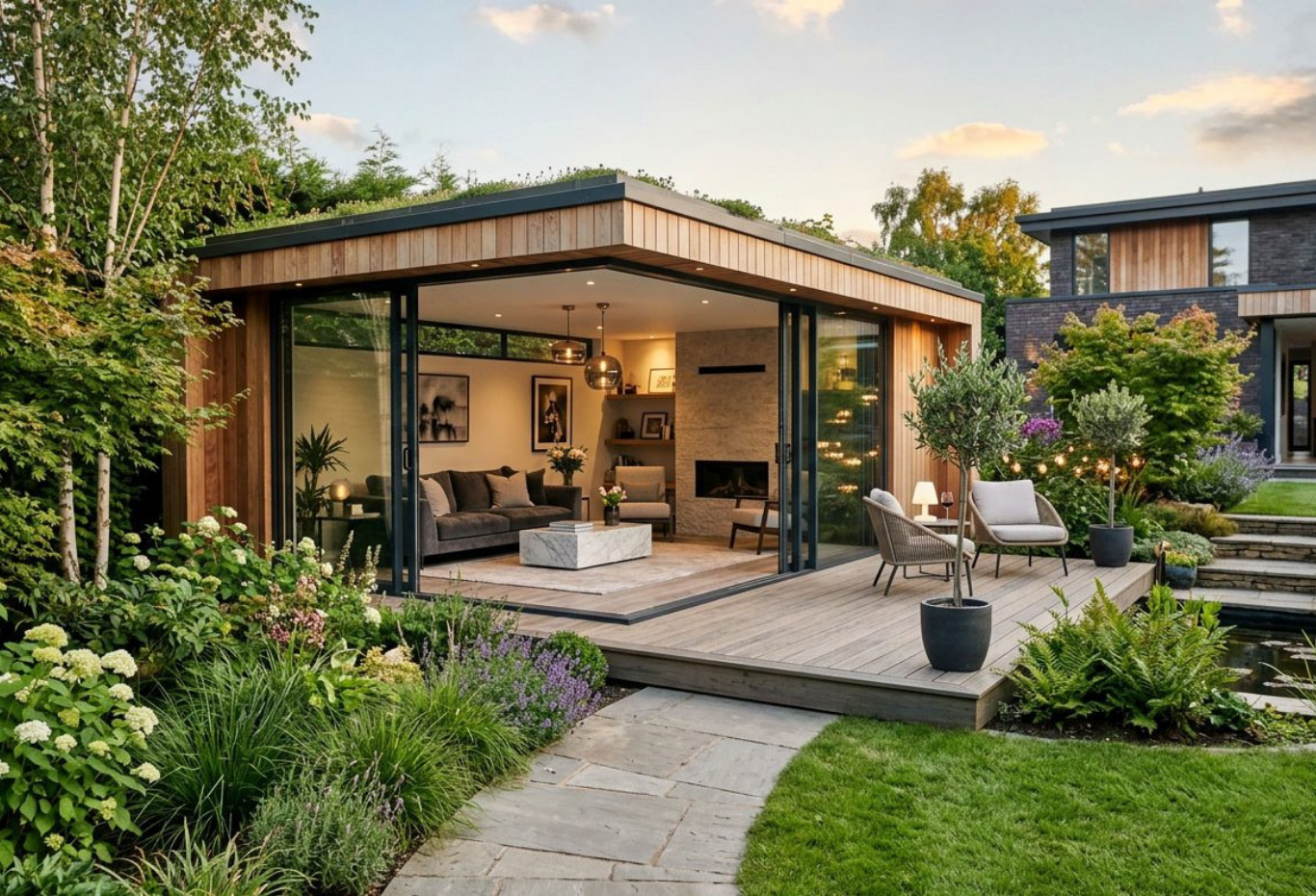
Creating an Outdoor Living Area
Outdoor spaces can become an extension of the home.
A patio, balcony, terrace, or garden can include:
- Outdoor chairs
- Tables
- Benches
- Shade structures
- Outdoor lighting
- Planters
- Rugs designed for outdoor use
- Decorative accessories
Choose outdoor furniture based on the local weather conditions.
Materials that perform well outdoors may require less maintenance than products designed primarily for indoor use.
Garden Tools and Equipment
Gardening requires different tools depending on the size and type of garden.
Basic tools may include:
- Hand trowel
- Pruning shears
- Gardening gloves
- Watering can
- Garden hose
- Spade
- Rake
- Shovel
A beginner does not need a large collection of specialized tools.
Start with equipment suited to the plants and garden size you actually maintain.
Sustainable Home and Garden Ideas
Sustainability can be incorporated into everyday home decisions.
Some practical approaches include choosing durable furniture, repairing products instead of immediately replacing them, reducing unnecessary purchases, using energy-efficient lighting, and selecting long-lasting appliances.
In the garden, sustainable practices may include:
- Composting suitable organic waste
- Collecting rainwater where practical
- Choosing locally appropriate plants
- Reducing unnecessary chemical use
- Reusing suitable containers
- Creating habitats for beneficial insects
Sustainability does not require making every part of your home completely eco-friendly. Small improvements can add up over time.
Budget-Friendly Home and Garden Improvements
Improving your home does not have to mean spending a large amount of money.
Some affordable changes include:
- Rearranging furniture
- Decluttering rooms
- Adding plants
- Updating cushions
- Installing inexpensive shelves
- Improving lighting
- Repainting a wall
- Organizing storage
- Refreshing outdoor containers
- Creating a small herb garden
Before starting a project, establish a budget and prioritize improvements that will have the greatest practical impact.
Buying Home and Garden Products Online
Online shopping provides access to a huge range of furniture, décor, tools, appliances, plants, lighting, and garden products.
However, product photos can sometimes make items appear different in size or texture than expected.
Before purchasing, check:
- Dimensions
- Materials
- Weight
- Assembly requirements
- Warranty
- Return policy
- Customer reviews
- Maintenance requirements
For furniture and large garden products, measuring your available space is especially important.
New vs. Secondhand Products
Secondhand shopping can be useful for home and garden products.
Furniture, decorative items, planters, tools, and certain outdoor products can sometimes be purchased used at significantly lower prices.
Inspect used products carefully for structural damage, pests, excessive wear, rust, or other issues.
For items involving electrical safety, hygiene, or structural integrity, additional caution is appropriate.
Common Home and Garden Mistakes
One common mistake is buying products before understanding the available space.
Another is focusing too much on trends.
Other mistakes include:
- Buying furniture that is too large
- Choosing plants without considering their mature size
- Ignoring maintenance requirements
- Overcrowding rooms
- Purchasing unnecessary décor
- Choosing unsuitable outdoor materials
- Forgetting storage
- Ignoring energy efficiency
- Starting projects without a realistic budget
A practical plan can help avoid expensive changes later.
Future of Home and Garden
The future of home and garden design is likely to combine technology, comfort, sustainability, and flexibility.
Smart home technology may become more integrated into everyday routines, while energy-efficient products can help households manage consumption.
Outdoor spaces may also become increasingly important as people look for ways to connect indoor living with nature.
Small-space gardening, container gardening, multifunctional furniture, modular storage, and adaptable home offices are likely to remain useful as urban living continues to evolve.
The focus is gradually shifting from simply making homes attractive to creating spaces that support the way people actually live.
Final Thoughts
Home and garden improvement is ultimately about creating spaces that are comfortable, functional, attractive, and suitable for everyday life. You do not need a large house, a huge garden, or an unlimited budget to make meaningful improvements.
Start by understanding your needs. Organize the spaces you already have, choose furniture carefully, improve lighting, add practical storage, and introduce plants or outdoor elements where appropriate.
For gardens, select plants according to your environment and the amount of maintenance you can realistically provide. For home improvements, prioritize changes that improve comfort and functionality rather than simply following temporary trends.
Whether you are decorating a new property, refreshing a small apartment, creating a balcony garden, or planning a major renovation, thoughtful decisions can transform your living environment over time.